Connect with us

Business

15% duty on petroleum products will protect local refineries, attract investors — Osatuyi

Published

on

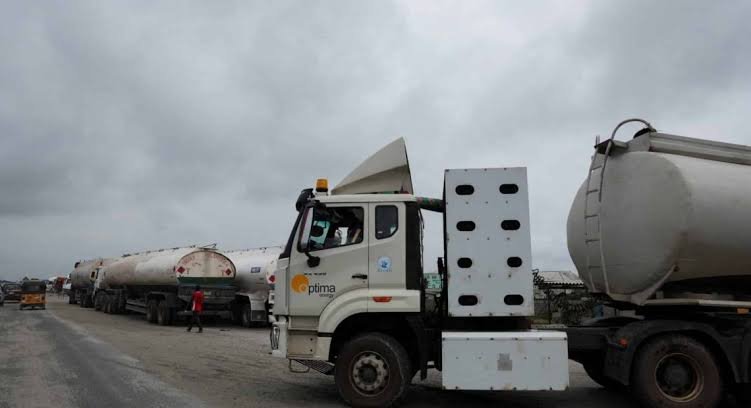
The former National Operations Controller of the Independent Petroleum Marketers Association of Nigeria (IPMAN), Mr Mike Osatuyi, has commended President Bola Tinubu for approving a 15 per cent import duty on petrol and diesel.

In an interview with the News Agency of Nigeria (NAN) in Lagos  on Sunday, Osatuyi said that the policy would protect local refineries and attract new investments into the sector.

NAN reports that on Oct. 29, President Bola Tinubu approved a 15 per cent import tariff on petrol and diesel, a policy expected to raise the landing cost of imported fuel.

He added that it would ensure the sustainability of both existing and upcoming private refineries, encourage modular refinery operators, and attract foreign investors.

Osatuyi added that the policy would discourage importation of cheaper refined products, improve competition among marketers, and ultimately benefit Nigerians.

“The Federal, State and Local Governments will also gain from increased revenue, job creation, foreign exchange savings, and the stabilization of the naira,” Osatuyi noted.

According to him, the import duty demonstrates the Tinubu administration’s commitment to protecting domestic investment in the downstream petroleum sector.

He described the Dangote Refinery in Lekki, Lagos, as a “national asset and Nigeria’s energy security facility,” commending its role in reducing dependence on imported petroleum products.

Osatuyi criticized the prolonged non-performance of government-owned refineries like Port Harcourt, Warri, and Kaduna, saying that over ₦11 trillion had been spent between 2010 and 2023 on maintenance and rehabilitation without results.

“It is unpatriotic that attempts to privatize these refineries in 2007 were resisted, costing the nation over ₦264 billion annually in maintenance with zero output,” he said.

He emphasised that the 15 per cent import duty would not primarily serve as a revenue measure but as a protective policy to ensure local refineries remain viable against imported products.

Osatuyi highlighted the growth of Nigeria’s refining capacity, citing the Dangote Refinery’s current 650,000 barrels per day (bpd) capacity—making it the seventh largest in the world—and its planned expansion to 1.4 million bpd, which would make it the largest globally.

He also mentioned other upcoming projects such as the BUA Refinery in Akwa Ibom State with 200,000 bpd capacity and several modular refineries including OPAC, Duport, Niger Delta (Aradel Holdings), Edo, Waltersmith, Azikel, Ogbele, and Abia refineries, with a combined capacity of about 150,000 bpd.

“A responsible government must protect these massive private investments worth billions of dollars,” Osatuyi stated.

He further explained that fears of product scarcity were unfounded, as Dangote Refinery alone could meet national demand and still have excess for export.

The refinery, he said, has a storage capacity of over 4.6 billion litres, 200 loading gantries, and can produce 57 million litres of petrol, 25 million litres of diesel, and 20 million litres of jet fuel daily when fully operational.

Osatuyi urged local refiners to act responsibly and not exploit the import duty policy to make excessive profits.

Stressing that regulators such as the Nigerian Midstream and Downstream Petroleum Regulatory Authority (NMDPRA) must ensure fair pricing and market stability.

He called for vigilance to prevent abuse of the import duty protection, fuel scarcity, or black-market activities.

He noted that the Federal Government’s new centralised revenue collection system, effective January 2026, would ensure compliance.

The former IPMAN official also applauded the President’s directive allowing local refineries to purchase crude oil in Naira, describing it as a major step in stabilising operations and reducing pressure on foreign exchange.

“President Tinubu has again demonstrated courage and patriotism by prioritising national interest over political considerations.

“His decision to impose a 15 per cent import duty on petrol and diesel is a bold step to protect Nigeria’s economic sovereignty,” he said. 

Continue Reading
Click to comment

Leave a Reply

Your email address will not be published. Required fields are marked *

Business

How to Become a Money-Making Personal Shopper (and Help People Look Great Too!)

Published

on

Have you ever helped someone pick out clothes, shoes, or even gifts? Do your friends always ask you, “Which one looks better?” or “What should I wear? ” If yes, you might already have the skills to become a personal shopper. A personal shopper is someone who helps other people choose and buy things. These things can include clothes, shoes, bags, gifts, and even groceries. Personal shoppers also help people save time and make better fashion or shopping choices.

The good news is this: you do not need a big shop or a lot of money to start. You only need good taste, smart thinking, and people skills. Let’s break it down step by step.

What does a personal shopper do?

A personal shopper helps people shop better.

Some clients are very busy. They don’t have time to go to markets or malls. Some people also don’t know what fits them well. Others just want someone with good style to help them choose.

So, a personal shopper steps in and helps them.

A personal shopper can:

l Choose clothes for clients

l Help people shop online

l Pick gifts for birthdays or weddings

l Style outfits for events

l Help people shop on a budget

It is like being a “shopping helper” or “style guide.”

Why is this a good way to make money?

People are always buying things. That means there is always work for personal shoppers.

Some people are busy with school or work. Some people feel confused when shopping. Some just want someone with better taste to guide them.

Because of this, personal shoppers are becoming more popular, especially on Instagram, TikTok, and WhatsApp. And yes—you can get paid for it.

Step 1: Build your style skills.

Before you start, you need to learn how to understand style. You don’t need expensive clothes. You just need to know the following:

l What colors go well together

l What clothes fit different body types

l What looks good for school, parties, or work

l What is trendy and what is not

You can learn this by:

l Watching fashion videos

l Following fashion pages on Instagram or TikTok

l Observing how people dress in real life

l Helping friends choose outfits

The more you learn, the better your taste becomes.

And in this job, good taste is your superpower.

Step 2: Start with people you know

You don’t need clients from the beginning.

Start small:

l Help your friends pick outfits

l Help your family choose gifts

l Help someone going to an event

Ask them:

“Do you want me to help you pick something?”

If they like your help, they may tell others.

That is how personal shopping begins—through word of mouth.

Step 3: Use your phone like a business tool

Your phone is very important in this job.

You can use it to:

l Take pictures of outfits

l Show clients options

l Chat with customers

l Post fashion ideas online

Create a simple WhatsApp or Instagram page like:

l “Style by [Your Name]”

l “Easy Fashion Picks”

l “Smart Shopper Help”

Post things like:

l Outfit ideas

l Before and after styling

l Budget-friendly fashion tips

People will start noticing you.

Step 4: Learn how to shop for others

Shopping for yourself is easy. Shopping for others is different.

You must learn to ask questions like:

l What is your budget?

l What size do you wear?

l What event is it for?

l What colors do you like?

Then you choose items that match their answers.

A good personal shopper listens more than they talk.

Step 5: Start online shopping help

You don’t even need to go to the market at first.

Many personal shoppers work online.

You can:

l Send clients links to clothes

l Help them choose from online stores

l Compare prices for them

l Suggest the best deals

This is called “online personal shopping.”

It is easy to start and does not need money.

Step 6: Decide how you will earn money

There are different ways personal shoppers make money.

You can charge:

l Per shopping job

l Per outfit picked

l Per hour of service

l Or a fixed fee per client

For example:

Helping someone pick outfits for an event = fee

Shopping for a whole wardrobe = higher fee

Some personal shoppers also earn extra by recommending stores or brands.

Step 7: Be trustworthy

This is very important.

People are trusting you with their money and style.

Always:

l Be honest

l Don’t overcharge

l Don’t lie about prices

l Respect your clients

If people trust you, they will always come back.

And they will tell others about you.

Step 8: Improve yourself always

Fashion changes every day.

So you must keep learning:

l New styles

l New trends

l New shopping apps

l New fashion ideas

You can even practice by helping different types of people:

l Kids

l Teens

l Adults

The more you practice, the better you become.

Step 9: Make your brand known

Once you are good, tell more people.

You can:

l Post on social media

l Ask friends to recommend you

l Share customer reviews

l Create a simple logo or name

Your name becomes your business.

Step 10: Grow bigger over time

As you grow, you can:

l Work with boutiques

l Style celebrities or influencers

l Help at fashion events

l Start your own shopping business

What starts as a small skill can become a big career.

Final word

Being a personal shopper is not just about buying clothes. It is about helping people feel confident and happy with how they look. It teaches you creativity, communication, and business skills.

And the best part? You can start even as a student. So next time someone asks you, “Does this look good?” don’t just answer. You might be looking at your future job.


Continue Reading

Business

Eko Flavours call on businesses, investors and policymakers to recognize gastronomy as one of Nigeria’s most promising sectors

Published

on

Practitioners in the food sector have called on businesses, investors and policymakers to recognise gastronomy not merely as culinary art but as a powerful engine of national development.

They made the call on Thursday, June 18, 2026 in Lagos during the celebration of the World Gastronomy Day, framing gastronomy not just as the nation’s cultural signature but as a strategic pillar for inclusive, diversified and sustainable development.

The event, held under the theme “A Seat at the Table”, was organised by the Lagos State Ministry of Agriculture and Food Systems, in partnership with Culinara Group, Tantacom and MIPAD.

The gathering was a showcase of not just fine dining, it underscored how every element of Nigeria’s food ecosystem, from seed to plate, offers opportunities for investment, job creation, and sustainable growth.

“Gastronomy sits at the crossroads of culture and commerce. When we invest in our farmers, our chefs, our food entrepreneurs, we invest in Nigeria’s future,” the Permanent Secretary for Agriculture in the Lagos State Ministry of Agriculture and Food Systems, Emmanuel Audu, said in his opening remarks.

Lagos State Commissioner for Agriculture and Food System, Abisola Olusanya, reinforced this message, calling for coordinated policies that link smallholder producers with processors, distributors, hospitality operators, and exporters.

All the speakers at the event maintained that gastronomy can, and must, be integrated into national development plans. Listing the advantages, they said that agricultural producers gain stable markets and better incomes when chefs and restaurants source locally; food processors and manufacturers create value-added products that command higher prices in domestic and international markets; hospitality and tourism sectors attract visitors eager for authentic culinary experiences, driving revenue and infrastructure development; and youth and women entrepreneurs find pathways to build sustainable food businesses, catering services, packaged-food brands, culinary schools, creating employment and uplifting communities.

A panel of chefs, agronomists, investors, and tourism experts explored practical steps forward. The suggestions included establishing a Lagos Gastronomy Council to coordinate stakeholders; creating grants and low-interest loans for food startups; embedding culinary and agribusiness training in educational curricula; and marketing Nigerian cuisine at global events.

A highlight of the evening was the official unveiling of Eko Flavours Season 3.0, a pioneering culinary franchise that blends competition with modules on entrepreneurship, sustainability, and business development. Season 3 contestants will not only craft delicious dishes but also pitch viable business plans, source responsibly, and tackle waste-reduction challenges, demonstrating that gastronomy can be both art and enterprise.

As the event drew to a close, one message rang clear: the full potential of Nigeria’s gastronomy economy will be realized only when government, industry, investors, educators, and cultural custodians pull together.

Among those in attendance were Canada’s Deputy High Commissioner to Nigeria, Carlo’s Rojas-Arbulu; Special Adviser, Ministry of Agriculture, Oluwarotimi Fashola; Director General, National Council of Arts and Culture, Obi Asika; Chief Communication Officer, GTCO Plc, Oyindamola Adegite; Culture Ambassador, Afro Caribbean Chamber of Culture, Art and Tourism, Olubukola Ariyibi; Co-founder, Pedros, Lola Pedro; Founder and CEO, Awari App, Tannaz Bahnam,Aliensmedia CEO, Segun Awosanya.

Others were Head, SMEs, Partnerships and Collaborations, Ecobank Nigeria, Omoboye Odu; President/Founder, Aliensmedia, Segun Awosanya; Managing Director, Primlaks, Anil Hemnani; CEO, African Concierge Network and Convener, Nigeria Food Summit, Chef Gibbs; culinary artist/Nigerian food enthusiast, Chef Fregz; Busayo Ogunlowore, category development manager, Nestle Nigeria Plc, and Edgar Ayalogu, outreach lead, the HungreeApp.

The event was hotsed by Kamil Olufowobi, founder and chairman, Most Influential 100 (MIPAD); Jennifer Odufuwa, co-CEO, Culinara; and Olufunke Adu of Tantacom.

It was a call to action: to give every stakeholder a voice, every farmer a market, every chef an opportunity, and every community a taste of prosperity.

Continue Reading

Business

Dantsoho Pushes Massive Port Modernisation Across West and Central Africa

Published

on

President of the Port Management Association of West and Central Africa (PMAWCA), Dr. Abubakar Dantsoho, has said Africa cannot achieve meaningful economic growth with outdated port infrastructure, stressing that aggressive investment in modern ports, technology and deep sea facilities is now unavoidable.

Dantsoho, who is also the Managing Director of the Nigerian Ports Authority (NPA), said countries across West and Central Africa have resolved to modernise their ports to remain competitive in global trade and accommodate larger vessels.

Speaking at the closing of the PMAWCA meetings in Lagos, Dantsoho commended President Bola Tinubu and the Minister of Marine and Blue Economy for providing policy direction that is repositioning Nigeria’s maritime sector.

According to him, port infrastructure remains the backbone of economic growth, noting that no country can expand its GDP without expanding and modernising its ports.

“This is an industry that requires huge investment in infrastructure. You cannot make progress with obsolete facilities and still expect to receive newer and larger vessels,” he said.

“You cannot have a hotel built 50 years ago and expect modern customers to continue coming without refurbishment. It is the same thing with ports.”

He said countries within the sub-region, including Nigeria, Ghana, Senegal, Côte d’Ivoire and Benin Republic, are currently repositioning their port systems through upgrades and modernisation projects.

Dantsoho disclosed that while Nigeria is refurbishing Apapa and Tin Can Island ports as a medium-term solution, the country must ultimately develop more modern deep sea ports capable of handling future trade volumes.

He noted that the Lekki Deep Sea Port, with two berths, represents progress, but added that Africa must aim for larger and more sophisticated facilities comparable to global maritime hubs.

“In Singapore, they are building ports with hundreds of berths. Guinea is developing a $20 billion deep sea port project. These are the kinds of investments Africa must begin to pursue if we want to compete globally,” he said.

The PMAWCA President also highlighted the growing role of technology, automation, artificial intelligence and robotics in port operations, insisting that data-driven systems are now central to efficient maritime administration.

According to him, the Nigerian Ports Authority has achieved nearly 90 per cent automation in its operations, with electronic payment and cargo processing systems significantly improving efficiency.

He cited the electronic call-up system introduced at Apapa Port as one of the innovations that has drastically reduced traffic congestion around the port corridor.

“Today, you can go into Apapa and leave within minutes. Before now, people spent hours and sometimes slept on the bridge because of congestion,” he said.

Dantsoho further stated that Nigeria currently accounts for over 70 per cent of cargo traffic entering the West and Central African sub-region due to its large population, market size and strategic position in serving landlocked neighbouring countries such as Niger, Chad, Mali and Burkina Faso.

He explained that Nigeria’s huge consumer market, combined with its youthful population, gives the country enormous maritime and economic potential if supported with modern infrastructure.

“Our market extends beyond Nigeria because several landlocked countries depend on Nigerian ports. But to sustain that advantage, we must provide deeper waters, stronger quays and modern infrastructure that can accommodate bigger ships,” he added.

He also stressed the importance of regional collaboration and peer review among African port authorities under PMAWCA, saying member countries are increasingly sharing experiences, performance benchmarks and strategies to improve operational efficiency and competitiveness across the region.

According to him, Africa’s future economic growth will depend heavily on how quickly its maritime sector adapts to global realities through infrastructure renewal, technological innovation and regional integration.

Continue Reading

Trending

Copyright © 2023 - 2026 DailyMirror Nigeria. Design by AspireWeb.ng, powered by WordPress.