
Cover
Calls Mount for Probe of Ex-REA Director Agaka over Alleged Diversion of N12bn COVID-19 Funds

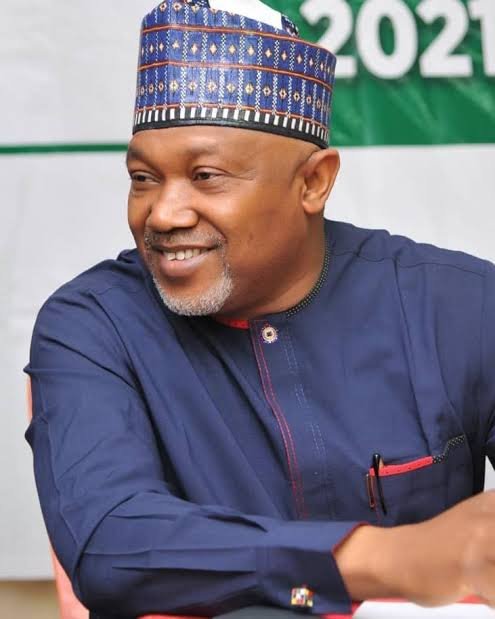
Pressure is growing on anti-graft agencies to investigate Engr. Sulaiman Bolakale Kawu Agaka, a former executive director of the Rural Electrification Agency (REA), over allegations that more than N12 billion in COVID-19 intervention funds meant for rural electrification projects were diverted under his watch.
The call came in a statement on Wednesday by the Movement for Public Accountability (MPA), a civil society organisation, through its president, Comrade Akinwale Lawal.
The group said the probe was necessary to restore public trust and send a clear message that senior officials cannot escape scrutiny simply by retiring from office.
According to MPA, while the Economic and Financial Crimes Commission (EFCC) and Independent Corrupt Practices and Other Related Offences Commission (ICPC) have already taken steps to prosecute some officials of the agency for corruption, those arraigned appear to be the “foot soldiers” rather than the architects of the rot.
The group insisted that Agaka, who oversaw projects, procurement and monitoring during the period, must be made to account for how such large-scale diversions occurred.
“Engr. Agaka cannot continue to wear the garb of neutrality when billions vanished in departments directly under his supervision. He owes Nigerians answers, and those answers must be demanded by the EFCC and ICPC,” Comrade Lawal said.
The group alleged that funds earmarked to power rural schools, health centres and small businesses were instead diverted through fraudulent procurement processes and questionable consultant contracts.
It accused Agaka of presiding over an environment where contract splitting, diversion through staff accounts, and the use of substandard materials became entrenched.
MPA said the consequences of this mismanagement remain visible across the country, where many rural communities are still in darkness despite budgetary allocations.
“Every child studying under a lantern and every clinic operating without electricity is a direct reminder of the betrayal that happened in REA under Agaka,” Lawal added.
The organisation further questioned Agaka’s lifestyle after retirement, saying his sudden wealth and political visibility suggest that illicit proceeds may have been laundered into private ventures.
It urged the Code of Conduct Bureau (CCB) to review his asset declarations and compare them with his legitimate earnings as a public servant.
“No one is saying accolades or honours should be stripped from him without due process. What we are saying is that the wealth he now flaunts raises questions that must be answered. Nigerians have the right to know whether public funds meant for their development are underwriting his ambitions,” the statement read.
Beyond Agaka, MPA called for broader reforms to ensure senior directors in public institutions bear responsibility for what happens under their watch.
It noted that Nigeria’s culture of treating retirement as an escape route from accountability has weakened institutions and emboldened corruption.
“This country must outgrow the habit of chasing small fry while sparing those who had the authority to prevent wrongdoing. The EFCC and ICPC must prove that the law is blind by looking at those who had the power, not just those who signed papers on their behalf,” Lawal insisted.
The group also demanded a forensic audit of all projects executed under Agaka’s tenure, stressing that the audit should examine procurement records, project delivery timelines and payments to contractors. It said only such an independent exercise would establish whether Agaka directly benefited from the alleged diversion.
MPA urged President Bola Tinubu’s administration to match its anti-corruption rhetoric with action by ensuring that no one, regardless of title or connections, is beyond scrutiny.
“This case will test whether Nigeria is serious about fighting corruption or only interested in headlines. Agaka’s record must be placed under the microscope,” the group said.
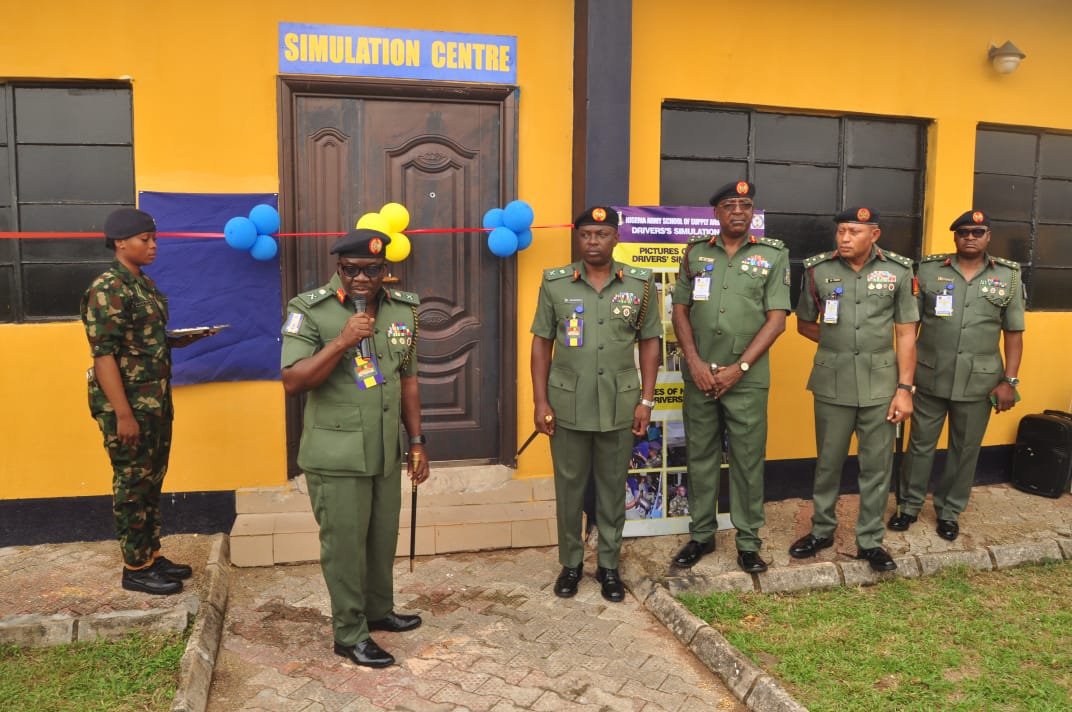
The Commander, Nigerian Army Corps of Supply and Transport (CCST), Maj.-Gen. Nansak Danjuma Shagaya, has commenced a two-day conference aimed at enhancing operational effectiveness and service delivery in support of Nigerian Army missions.
The conference, with the theme “Optimising ST Capabilities Towards Providing Effective Service Delivery to Nigerian Army Operations in All Missions,” began on Tuesday at the Muhammadu Buhari Auditorium, Nigerian Army School of Supply and Transport (NASST), Benin City, Edo State.
Shagaya said the conference was designed to review the Corps’ performance in ongoing military operations and provide a platform for strategic reflection, institutional learning, and collective problem-solving.
He noted that the forum would enable commanders to exchange ideas, assess operational realities, evaluate emerging challenges, and develop strategies to strengthen logistics support in a dynamic security environment.
“The contemporary operational landscape in which the Nigerian Army operates is increasingly complex and multidimensional,” he said.
“Modern military operations are characterised by fluid threat dynamics, technological evolution, and heightened demands on operational sustainability. In such an environment, the role of logistics has become even more critical.”
The CCST added that the conference would facilitate frank and professional engagement among senior officers to review operational commitments, examine institutional challenges, and explore innovative approaches to improve efficiency.
He urged participants to approach discussions with professionalism and a shared commitment to strengthening the Corps’ effectiveness.
Earlier, the Commandant of NASST, Maj.-Gen. Adebayo Olatunde Adegbite, said the conference would provide an avenue for interaction between the Corps Commander, field commanders, and senior officers on achieving the Nigerian Army’s mission.
Adegbite said the engagement aligns with the Corps’ command philosophy of developing a highly proficient Supply and Transport Corps capable of efficiently supporting the Army in fulfilling its constitutional responsibilities.
He added that the conference would promote knowledge sharing, address operational challenges, and enhance service delivery.
Highlights of the event include the commissioning of a Soldiers’ Dining Hall, a remodeled NASST Driving Simulation Centre, the unveiling of Col. I. Taiwo Crescent, and a group photograph.
The conference will also feature a Pulling-Out Ceremony and Gala Night in honour of retired generals of the Corps on March 26.

The Chairman of the Nigeria Union of Journalists (NUJ), Federal Capital Territory (FCT) Council, Grace Ike, has been described as a transformative leader in the media profession as she marks her birthday.
In a statement issued on Tuesday in Abuja, a former President of the Nigeria Association of Women Journalists (NAWOJ), Evelyn Onyilo, commended Ike for breaking barriers and redefining leadership within the union.
Onyilo noted that Ike made history as the first female chairman of the NUJ FCT Council in over four decades, describing her emergence as a significant milestone for women in journalism.
She said Ike’s tenure had been marked by remarkable achievements, particularly in infrastructural development and the welfare of members, adding that her leadership had also strengthened participation and unity within the union.
“Her tenure has witnessed unprecedented development and effective mobilisation of members to actively participate in the affairs of the union, making her a foremost transformative leader of our era,” Onyilo said.
The publisher of Phenomenal People Magazine further described Ike as a media icon of immense value, praying for greater accomplishments, good health, and continued success in her leadership journey.
Onyilo congratulated Ike on her birthday and wished her many more years of impactful service.
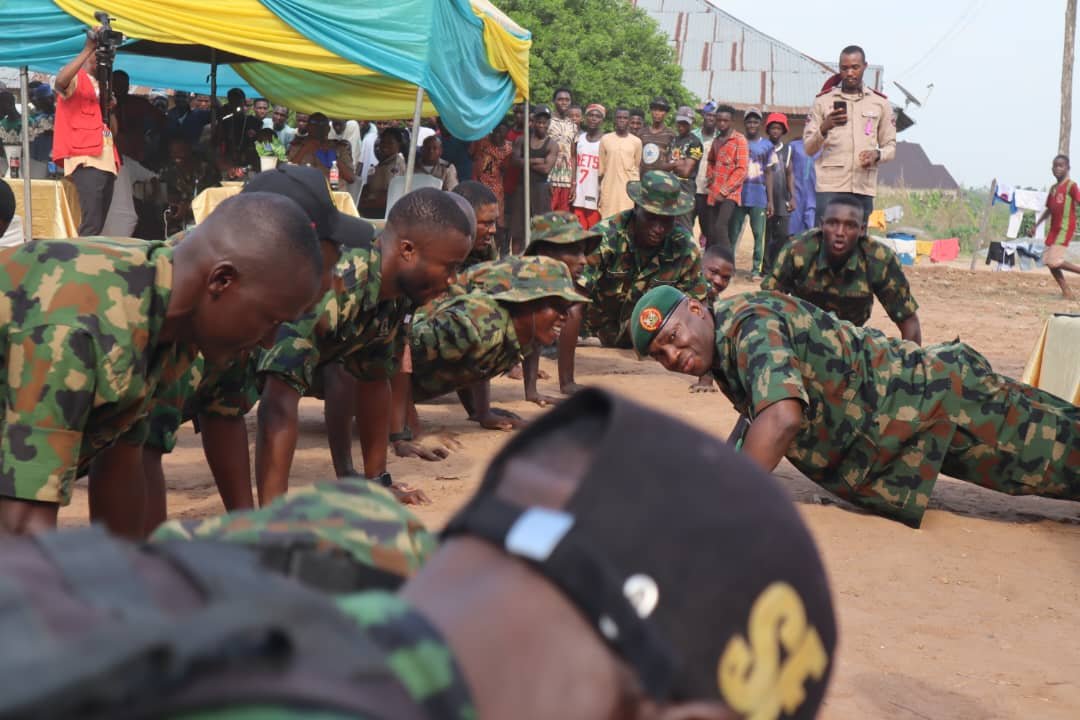
he Chief of Army Staff (COAS), Lieutenant General Waidi Shaibu, on Saturday, March 21, 2026, hosted a special Sallah luncheon for troops of the Forward Operations Base (FOB) Sobe in Owan West Local Government Area of Edo State as part of activities marking the Eid-el-Fitr celebration.
Speaking at the event, the COAS reaffirmed the Nigerian Army’s commitment to improving troop welfare and boosting morale through strategic initiatives. He urged the soldiers to remain resolute in their duty to defend the nation’s peace, unity, and territorial integrity.
Represented by the Commander, 4 Brigade Nigerian Army, Brigadier General Ahmed Balogun, the Army Chief commended the troops for their resilience and professionalism despite operating under challenging conditions. He noted that their sacrifices and dedication embody the true spirit of the Nigerian soldier.
“They serve in difficult and often demanding environments, far from the comfort of their homes, yet remain steadfast in loyalty and professionalism.
Their endurance, sacrifice, and courage represent the true spirit of the Nigerian soldier,” he said, while praying for their safety and success in ongoing operations.
The COAS also lauded the continued collaboration between the Nigerian Army and other security and intelligence agencies, describing inter-agency synergy as critical to sustaining operational success and national stability.
He further expressed appreciation to President Bola Ahmed Tinubu, Commander-in-Chief of the Armed Forces, for his unwavering support and commitment to the welfare and operational effectiveness of the military, noting that the President’s leadership remains a strong source of motivation for the Armed Forces.
In his welcome address, the Commander, FOB Sobe, Lieutenant Colonel Stanley Agboro, described the COAS luncheon as a significant annual tradition held during major festive periods, including Eid-el-Fitr, Eid-el-Kabir, Easter, and Christmas.
He said the initiative is aimed at boosting troop morale, recognising their sacrifices, honouring fallen heroes, and strengthening camaraderie within the ranks.
Agboro appreciated the Brigade Commander and his entourage for visiting the base to celebrate with the troops. He also acknowledged the presence of the Vice Chairman of Owan West Local Government Area, Mr Dele Aleburu, who represented the council chairperson, Madam Joy Ohonyon, as well as the traditional ruler of Sobe, HRH Anthony Ero Aleburu I, and heads of other security agencies in the area.
The event featured a luncheon, cultural dance performances, comedy presentations, and morale-boosting songs by the troops.


Army Supply and Transport Corps Reviews Operations, Targets Improved Service Delivery

NUJ FCT Chairman, Grace Ike, Hailed as Transformative Leader on Birthday

It’s Grace Ike’s Day: NUJ FCT Chairman Celebrated Across Board
-
 Cover7 months ago
NRC to reposition train services nationwide.. Kayode Opeifa
-

 Fashion9 years ago
These ’90s fashion trends are making a comeback in 2017
-
Entertainment9 years ago
The final 6 ‘Game of Thrones’ episodes might feel like a full season
-
 Opinion1 year ago
Bureaucratic Soldier, Kana Ibrahim heads Ministry of Aviation and Aerospace After Transformative Tenure at Defence
-
 Opinion1 year ago
Hon. Daniel Amos Shatters Records, Surpasses Predecessor’s Achievements in Just Two Years
-
 Opinion4 months ago
Barrister Somayina Chigbue, Esq: A rising legal leader shaping institutioal excellence in Nigeria
-

 News8 months ago
Nigerian Nafisa defeats 69 Countries at UK Global Final English Competition
-
 Special Report1 year ago
Golden Jubilee: Celebrating Tein Jack-Rich’s Life of Purpose and Impact