
Metro
How ISWAP Turned On Boko Haram, Triggering Nigeria’s Deadliest Terror Rivalry

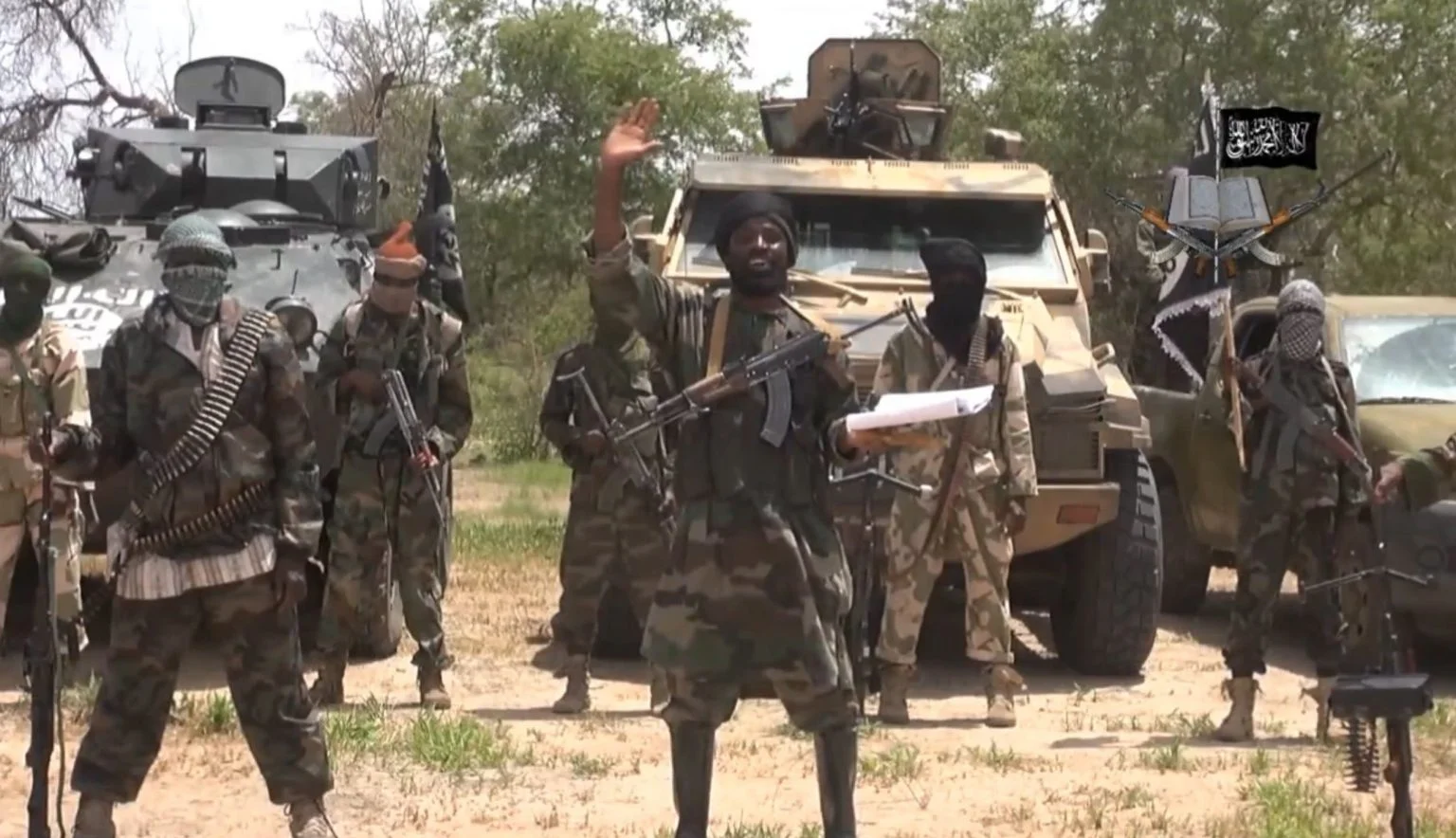
The long-running conflict between Islamic State West Africa Province (ISWAP) and Jama’atu Ahlis Sunna Lidda’awati wal-Jihad (JAS), commonly known as Boko Haram, has continued to affect the security situation in Nigeria’s North-East.
The rivalry between the two groups has been driven by disagreements over leadership and ideology, as well as competition for territory, resources and fighters.
Security analyst Zagazola Makama highlighted the history of the conflict while discussing a recent confrontation between the factions in Borno State.
According to the report, the dispute dates back to 2016, when ISWAP broke away from the Abubakar Shekau-led Boko Haram movement following disagreements over ideology and leadership.
Since the split, the two factions have repeatedly fought for control of territories, taxation routes, recruitment networks and strategic hideouts across the Lake Chad Basin and Sambisa Forest.
The rivalry became more intense in May 2021 when ISWAP launched a major offensive against Shekau’s fighters in the Sambisa Forest.
Makama reported that Shekau was eventually cornered during the confrontation and died after reportedly detonating an explosive device rather than surrendering to ISWAP fighters.
The report stated:
“The latest confrontation is the latest in a series of violent clashes between ISWAP and JAS, whose long-running rivalry has continued to reshape the insurgency landscape in the North-East.”
Following Shekau’s death, ISWAP absorbed many members of his faction. However, some senior JAS commanders refused to pledge allegiance to ISWAP and continued operating independently from isolated areas around the Sambisa Forest and Mandara Mountains.
The rivalry has continued despite the weakening of both factions under sustained military pressure.
According to Makama, intelligence gathered in recent months indicated renewed tensions between the two groups over food supplies, taxation of local communities, movement corridors and the loyalty of surviving fighters.
The competition has reportedly resulted in renewed clashes, with both factions suffering casualties as they struggle to maintain control over shrinking territories.
The latest developments suggest that increased military operations across the North-East may be putting additional pressure on the two factions, forcing them into greater competition for territory, supplies and recruits.


Taraba: Hoodlums raid Female hostel, rape student

JAMB Sacks Worker For Extorting Candidates, Warns Staff

LaLiga: I Must Confess – Mourinho Speaks On Huijsen’s Red Card After Atletico Madrid

Now Hiring: Academic and Technical Staff at a Leading Private University in Gombe State

LAUTECH 18th Convocation: EEE Class ’05 Alumni Celebrate as Electronic and Electrical Engineering Department Produced the School’s Overall Best Graduating Student


