Connect with us

Cover

Nigerian Professionals in Europe Urge EU to Restrain Trump, Call for Strategic Security Support

Published

on

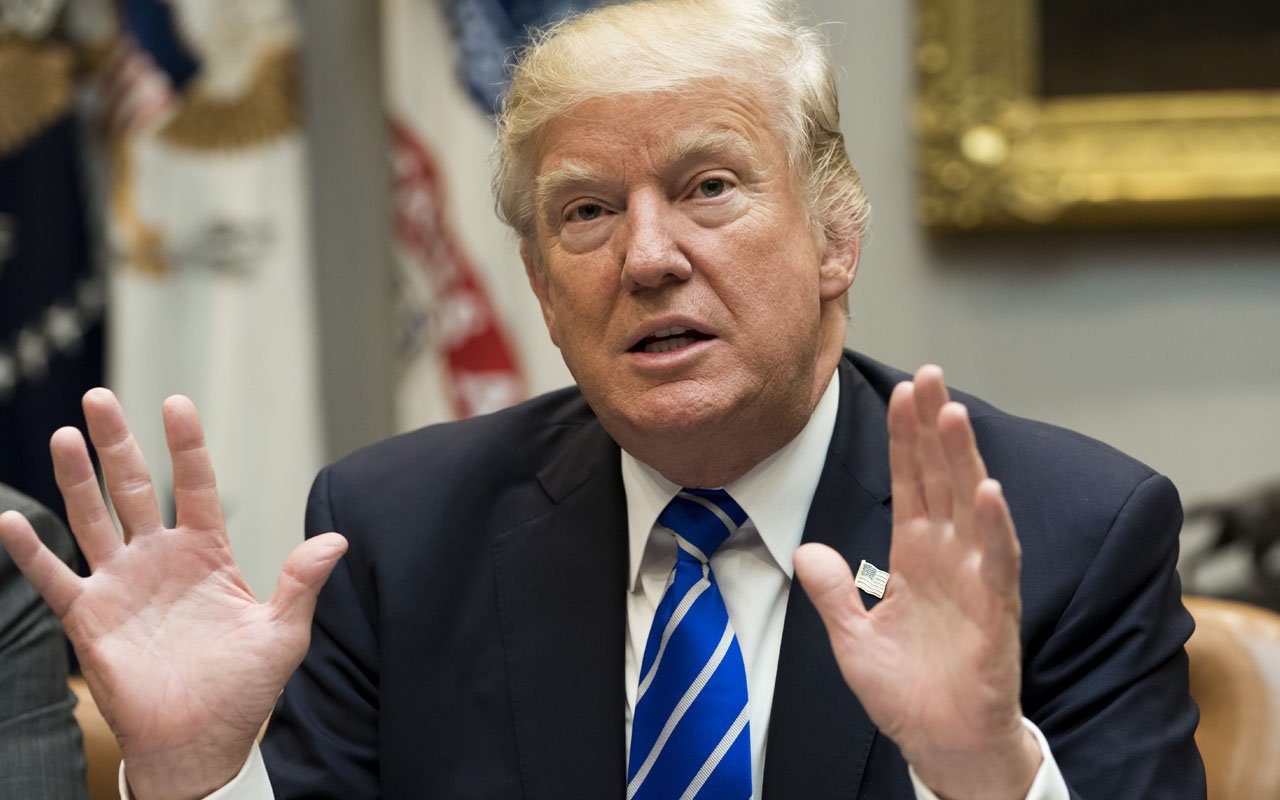
The Association of Nigerian Professionals in Europe (ANPE) has appealed to leaders of the European Union (EU) to restrain US President Donald Trump following his recent threats of military action against Nigeria and his decision to redesignate the country as a “country of particular concern” over alleged religious persecution.

In an electronic statement issued from Paris on Thursday, the association urged the EU to adopt a balanced diplomatic posture and to strengthen its partnership with Nigeria through strategic support in the fight against terrorism, banditry, and other forms of insecurity.

The group described Trump’s remarks as “provocative and dangerous,” warning that such rhetoric could inflame tensions, embolden extremist groups, and undermine the steady progress Nigeria has made in counterterrorism and economic reform.

A statement signed by Dr. Livinus Chukwuemeka Nwosu, ANPE President, and Mrs Aisha M. Bello, a security expert and secretary of the group, urged European leaders to “act with wisdom and restraint” by discouraging any unilateral US action that could destabilise the West African region.

“We call on the European Union, as a global voice of balance and diplomacy, to restrain President Trump from any hostile action or policy escalation against Nigeria. Our country needs constructive engagement, not coercion. The international community should be supporting Nigeria’s security and democratic consolidation, not threatening it,” the statement reads.

The association emphasised that Nigeria’s religious diversity has long been a source of cultural richness, not division, and that framing the country’s security challenges as religious persecution was both misleading and counterproductive.

According to ANPE, terrorism, insurgency, and banditry in Nigeria have affected Muslims and Christians alike, particularly in the country’s northern and central regions.

“The lives of every Nigerian, regardless of faith or ethnicity, are sacred. We reject any narrative that weaponises religion to justify foreign hostility or intervention,” the statement added.

The group urged the EU to back Nigeria’s ongoing counterterrorism campaign through arms supply, intelligence sharing, and joint training programmes that would help strengthen local security institutions.

ANPE said such cooperation should be guided by mutual respect and a shared commitment to peace, while avoiding any direct interference in Nigeria’s domestic affairs.

The statement also highlighted positive developments in Nigeria’s oil and gas sector, which the group said reflected the country’s resilience and reform-driven progress.

ANPE assured European investors that their interests remain secure, pointing to increased transparency in the regulatory environment and renewed investor confidence under the current administration.

“European partners investing in Nigeria’s energy sector should have no fear. The government is consolidating reforms to enhance accountability, strengthen local content, and attract long-term investment. Nigeria’s economic revival depends on stable global partnerships, not geopolitical tension,” the association said.

ANPE described Trump’s recent designation and threats as an “unhelpful distraction” that risks reversing hard-won gains in regional peacebuilding and counterinsurgency.

It noted that Nigeria has been working closely with its neighbours, including Chad, Niger, and Cameroon, to suppress terrorism across the Lake Chad Basin, while maintaining robust diplomatic relations with Western allies.

The association commended President Bola Ahmed Tinubu’s administration for maintaining focus on national security, infrastructure, and energy development despite global pressures, urging Nigerians not to be swayed by external provocations.

“We have a duty to defend our sovereignty and dignity. President Tinubu’s government is building institutions that can protect citizens and restore lasting peace,” the group added.

The statement concluded with a call for the EU to engage both Washington and Abuja in sustained dialogue to prevent escalation and to channel global cooperation toward stabilising West Africa.

“Europe has always been a trusted partner to Nigeria. We are confident that the EU’s leadership will help ensure that diplomacy, not division, guides the global response to Nigeria’s internal challenges. Together, we can defeat terrorism and preserve peace — but only through respect, dialogue, and partnership,” the association said.

Continue Reading
Click to comment

Leave a Reply

Your email address will not be published. Required fields are marked *

Cover

Citizen Network Condemns NAFDAC’s Enforcement of Sachet Alcohol Ban, Warns of Mass Action

Published

on

The Citizen Network has strongly criticized the National Agency for Food and Drug Administration and Control (NAFDAC) over its decision to commence the enforcement of a ban on sachet alcoholic beverages, describing the action as arbitrary, anti-people, and detrimental to the nation’s economy.

Speaking in Abuja on Tuesday, the group’s representative, Comrade Johnson Kolawole Michael, expressed concern that the enforcement, announced under the leadership of NAFDAC Director-General, Professor Mojisola Christianah Adeyeye, is disrupting the livelihoods of workers and operators in the wines and spirits sector, a segment the group said contributes significantly to Nigeria’s Gross Domestic Product (GDP).

According to the Citizen Network, the decision contradicts an earlier directive issued by the Office of the Secretary to the Government of the Federation (SGF) on December 15, 2025, which instructed that enforcement of the ban be suspended.

The group also noted that the action runs contrary to resolutions of the House of Representatives contained in document NAS/10/HR/CT.33/77c of March 14, 2024, where lawmakers, following public hearings and consultations with stakeholders, restrained NAFDAC from implementing the ban, describing it as unacceptable and anti-people.

The group accused NAFDAC of selectively relying on a Senate resolution that, it claimed, excluded critical stakeholders and failed to reflect public opinion. It disclosed that it has formally approached the Senate, expressing confidence that lawmakers would reconsider the matter after further consultations.

Comrade Michael said the conflicting directives from different arms of government have created confusion among industry operators, leaving them uncertain about which authority to comply with.

He further argued that sachet and small PET bottle alcohol products were introduced to cater to adult consumers with limited purchasing power and that banning them would deny such consumers their fundamental right of choice. He dismissed claims that sachet alcohol encourages abuse, stating instead that smaller portions help discourage excessive consumption typically associated with larger containers.

The Citizen Network also maintained that sachet alcoholic beverages produced locally meet hygienic standards and are duly certified by regulatory bodies, including NAFDAC. It added that allegations of underage abuse have been countered by independent empirical research, while industry players have invested over ₦1 billion in nationwide campaigns promoting responsible alcohol consumption and discouraging underage drinking.

While reaffirming its support for the removal of unsafe products from the market, the group insisted that regulatory decisions must be guided by empirical evidence rather than sentiment. It warned that the ban could lead to factory closures, job losses, and the influx of illicit, substandard, and smuggled alcoholic products, thereby depriving government of revenue and consumers of regulated options.

The Citizen Network called on President Bola Ahmed Tinubu, members of the National Assembly, and concerned Nigerians to intervene and urge the NAFDAC Director-General to halt the enforcement of the ban and comply with existing directives suspending it.

The group warned that failure to heed the call could leave it with no alternative but to embark on a nationwide mass action.

Continue Reading

Cover

How Army, DSS, DIA foiled coup to topple, kill Tinubu

Published

on

A covert intelligence operation coordinated by the Army Headquarters, the State Security Service (SSS), and the Defence Intelligence Agency (DIA), helped thwart a deadly plot to overthrow President Bola Tinubu’s government and assassinate key political figures, PREMIUM TIMES can authoritatively report.

Multiple senior administration insiders said the plot began to unravel in late September 2025 after an unnamed military officer with direct knowledge of the coup contacted the then Chief of Army Staff, Olufemi Oluyede. The officer reportedly disclosed the scheme, saying he feared being implicated as an accessory to treason if he failed to alert authorities.

Our sources said around the same time, the SSS independently gathered intelligence indicating that some serving army officers were plotting to “destabilise the government and undermine Nigeria’s democracy.” An official familiar with the matter said the Director-General of the SSS, Oluwatosin Ajayi, personally briefed Mr Oluyede on the findings.

Faced with converging intelligence from multiple sources, the two security chiefs agreed to act swiftly. A wide-ranging but discreet joint operation was launched by the army and the SSS, with coordinated arrests planned across different parts of the country to neutralise the coup’s masterminds and other collaborators.

On 30 September 2025, as President Tinubu travelled to Imo State for an official visit, unaware of the plot to depose and possibly assassinate him, the joint operation went into effect. The sweep led to the arrest of the alleged principal architects of the coup, alongside other military and civilian suspects.

The Chief of Defence Intelligence (CDI), Emmanuel Undiandeye, and the then Chief of Defence Staff, General Christopher Musa, were subsequently briefed. Mr Undiandeye was then requested to detain the suspects in the underground holding facility of the Defence Intelligence Agency.

Following the initial arrests, President Tinubu was formally informed of the foiled plot. A visibly shaken president immediately ordered the cancellation of the 1 October National Independence Day parade. He also approved the constitution of a special investigative panel, which later led to additional arrests. The investigative panel was led by General Undiandeye.

One of the detained soldiers later escaped custody but was rearrested by SSS operatives in Bauchi, a military insider said. Meanwhile, a retired officer identified as General Adamu and a former governor, Timipre Sylva, accused of bankrolling the coup plotters, remained at large.

Mr Tinubu later fired and retired the then Chief of Defence Staff, General Musa as well as the chiefs of the navy and airforce. Mr Oluyede was appointed CDS and promoted to the rank of General. Weeks later, Mr Musa returned to government as minister of defence.

In a statement issued on 4 October, the Defence Headquarters said the arrested officers were being investigate for “indiscipline and breach of service regulations.” It added that preliminary findings suggested the officers’ grievances were linked to “career stagnation and failure in promotion examinations.”

Despite mounting evidence and a series of detailed reports by PREMIUM TIMES and other media outlets, the military repeatedly denied that a coup plot existed.

In an 18 October statement the Defence Headquarters described the probe involving the 16 arrested officers as a routine internal investigation aimed at maintaining discipline and professionalism within the armed forces.

However, on 26 January, the military publicly acknowledged for the first time that officers had indeed plotted to illegally overthrow President Tinubu’s administration. It announced that those indicted would be arraigned before a military judicial panel.

According to the Defence Headquarters, the investigation was “comprehensive” and conducted in line with established procedures, examining “all circumstances surrounding the conduct of the affected personnel.”

It said the findings revealed “a number of officers with allegations of “plotting to overthrow the government,” describing such conduct as “inconsistent with the ethics, values and professional standards required of members of the Armed Forces of Nigeria.”

“Accordingly, those with cases to answer will be formally arraigned before an appropriate military judicial panel to face trial in accordance with the Armed Forces Act and other applicable service regulations,” the statement added.

The plot to oust, kill Tinubu and others
In an earlier report, PREMIUM TIMES quoted sources with direct knowledge of the investigation as identifying top officials allegedly marked for assassination. They include President Tinubu, Vice President Kashim Shettima, Senate President Godswill Akpabio, and Speaker of the House of Representatives, Tajudeen Abbas.

“There are other people targeted,” one source said. “But those are the key targets.”

The plotters also planned to detain senior military officers, including the service chiefs. “They did not want to kill them,” the source added.

According to the sources, the conspirators intended to assassinate the political leaders simultaneously. “They were waiting for a day when all of them would be in the country,” one official said. “Wherever they were, they would be assassinated.”

The sources said the plotters relied on informants within the Presidential Villa and around the officials slated for elimination.

“They have people inside the Villa who monitor the movements of these officials,” the source said. “The plan was to kill them at the same time and install a military government.”- PREMIUM TIMES

Continue Reading

Cover

Workplace Safety and Health: Today’s Choices Determine the Future – NSITF Boss

Published

on

As the NSITF-NECA Safe Workplace Intervention Project kicks off in Lagos, Managing Director of the Nigeria Social Insurance Trust Fund, (NSITF) Barrister Oluwaseun Falaye, has enjoined employers of labour in Nigeria to be intentional about compliance with workplace safety and health regulations as he said that the future is determined by today’s choices.

In his welcome address at the Lagos Stakeholders’ Interactive Enlightenment Forum and Awards Ceremony on Tuesday, Barrister Faleye said, “the future of work in Nigeria will be defined by how much we protect our workforce while driving productivity and growth.”

“At the core of the Employees’ Compensation Act 2010 is a simple but profound truth: every worker matters. No job is worth a life. And no organization can sustainably thrive when safety is treated as an afterthought,’ he stated.

Barrister Faleye urged organizations that are yet to fully align with safety compliance to avail themselves of the event to do so.

He stressed that no job is worth a life, and no organisation can sustainably thrive when safety is treated as an afterthought.

Speaking on the theme of the program: ‘Enhancing Workplace Safety, Strengthening Compliance, Celebrating Excellence’, the NSITF MD said “the theme captures the full spectrum of our engagement today. Compliance must be seen not as a regulatory obligation alone, but as a strategic business decision that safeguards human capital, reduces operational risk, and enhances organisational reputation”.

According to him, SWIP has, over the years, evolved into a strategic platform for driving awareness, strengthening compliance, and fostering collaboration around occupational safety and health, adding that the forum represents a critical interface between policy, practice, and performance, where employers, workers, regulators, and partners engage constructively on how to build safer and more productive workplaces.

“Today’s gathering is not merely an information session; it is a shared commitment. It reflects our collective resolve to ensure that economic growth does not come at the expense of worker safety, and that productivity is anchored on environments that protect lives, dignity, and livelihoods,” he stated.

Speaking on the awards, Faleye said, “today, we also take time to celebrate organisations that have distinguished themselves through demonstrable commitment to occupational safety and health. These awards are not just acknowledgements; they are benchmarks. They signal that compliance is achievable, that safety delivers value, and that excellence in worker protection deserves recognition”.

The NSITF boss thanked the parent Ministry of Labour and Employment, NECA, participating organizations, and other partners for the success of the event and reiterated the Fund’s commitment to “deepen collaborations, strengthen compliance, and promote a culture where every workplace is a safe workplace.”

Explaining the SWIP forum, Director General , NECA, Mr Adewale-Smatt Oyerinde, said safety in the work place should be taken as a fundamental issue and core responsibility of employers.

He said while employers are pursuing maximum or optimum profit, safety of their workers should also be priorities.

He described workplace safety as a life-and-death matter that is still treated with dangerous nonchalance by both employers and employees, despite its far-reaching consequences.

The NECA DG expressed confidence that the initiative would not only reward excellence but also reset the national conversation on workplace safety

The Minister of Labour and Employment , Alhaji Maigari Dingyadi, in a keynote address at the 2025 SWIP kick-off, said the Safe Workplace Intervention Project is a collaborative occupational health and safety initiative designed to enhance workplace safety across Nigeria through structured audits, engagement and recognition.

He said the occupational health and safety is everyone’s responsibility, adding that the ministry cannot do it alone.

He commended NECA and NSITF for sustaining SWIP, describing it as a model of effective collaboration between government and the private sector.

.
In a presentation titled “Employees’ Compensation Act, 2010: The Journey so Far,” the Executive Director Operations at NSITF, Honourable Mojisola Ali-Macauley said that Section 3 of the ECA 2010 makes provisions for Occupational Safety and Health as part of NSITF’s mandate.

She revealed that Scheme has a little less than two hundred thousands organizations translating to around eight million employees under its cover. She further stated that 142,745 persons have so far benefited in one form or another from the Scheme.

Seven companies in the Lagos Region received award for maintaining a high standard of Occupational Health and Safety in their workplaces. While Chivita and Nigeria Breweries received an ambulance each, five others received infrastructure OSH awards of first aid kits, PPEs and other safety gadgets for the workplace.

The SWIP, a partnership project between the Nigeria Social Insurance Trust Fund and Nigeria Employers’ Consultative Association, was designed to promote voluntary compliance with workplace safety standards and regulations by organizations through creation of awareness, safety audit and motivation in form of awards to exemplary organisations. It adopts a method that downplays enforcement.

The NSITF-NECA SWIP Awards 2025 is scheduled for Lagos, Enugu, and Abuja for the grand final.

Continue Reading

Trending

Copyright © 2023 - 2025 DailyMirror Nigeria. Design by AspireWeb.ng, powered by WordPress.