
Headlines
Why Plateau crisis persists — Jang

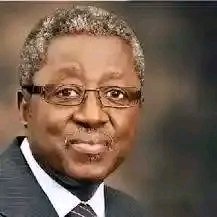
Former Plateau State Governor, Jonah David Jang, has explained why the crisis in the state has persisted for years, describing efforts by successive administrations to address the situation as ineffective.
Our correspondent reports that hundreds of people have been killed in various crises across the state since 2001, while property worth millions of naira has also been destroyed.
For more than two decades, the crises have continued to affect several communities, with repeated attacks leading to loss of lives and displacement of residents.
In his new book, From Airman to Politics: My Life, unveiled in Jos on August 1, Jang gave reasons he believed the crisis had persisted.
- VeryDarkMan Bows To Pressure, Withdraws From P-Square Family Feud
- Transfer: ‘You’re Not In My Plans’ – Mourinho Tells Several Real Madrid Players
“When I look back on the roots of the crisis that engulfed Plateau State, I see a tragedy that was both historical and man-made. It was a storm that had been brewing for decades, yet it was allowed to erupt because of a series of failures in leadership and governance,” Jang said.
According to the former governor, “The Plateau crisis is about identity, land, justice and belonging. Long before the bombs, machetes and the mass burials, there were subtle signs: grievances left unaddressed, tensions ignored, rights denied and injustice institutionalised.”
He added: “The question of indigene versus citizenship haunted our state. Who had the right to land? Who had the right to contest elections? Who had the right to be called a son or daughter of Plateau?
“These questions festered in silence until they erupted into bloodshed.”
Jang, a former military governor of Benue and Gongola states, blamed successive administrations after his tenure for failing to take what he described as decisive steps to address the crisis.
Proffering solutions to the crisis, Jang said Plateau needed not only security measures but also healing, reconciliation and reconstruction.
“What Plateau needs and still needs is not just security but healing as well. Not just reconstruction, but reconciliation as well.
“We must return to the drawing board and ask: What does it mean to be a Plateau citizen? How do we share land, power and opportunity in a way that respects history and embraces equality?
“These questions were ignored during the years of violence, which is why the crisis continues,” Jang added.


Tipper Truck Crushes Motorcyclist to Death in Lagos

Ogun: Police Arrest Fleeing Father Who Allegedly Killed Neighbour for Hugging His Son

Police Arrest One Suspect Over Alleged Murder of Delta Education Director, Hunt Others

Now Hiring: Academic and Technical Staff at a Leading Private University in Gombe State

LAUTECH 18th Convocation: EEE Class ’05 Alumni Celebrate as Electronic and Electrical Engineering Department Produced the School’s Overall Best Graduating Student


