
Headlines
Shehu Sani: Prison is not for punishment but reformation

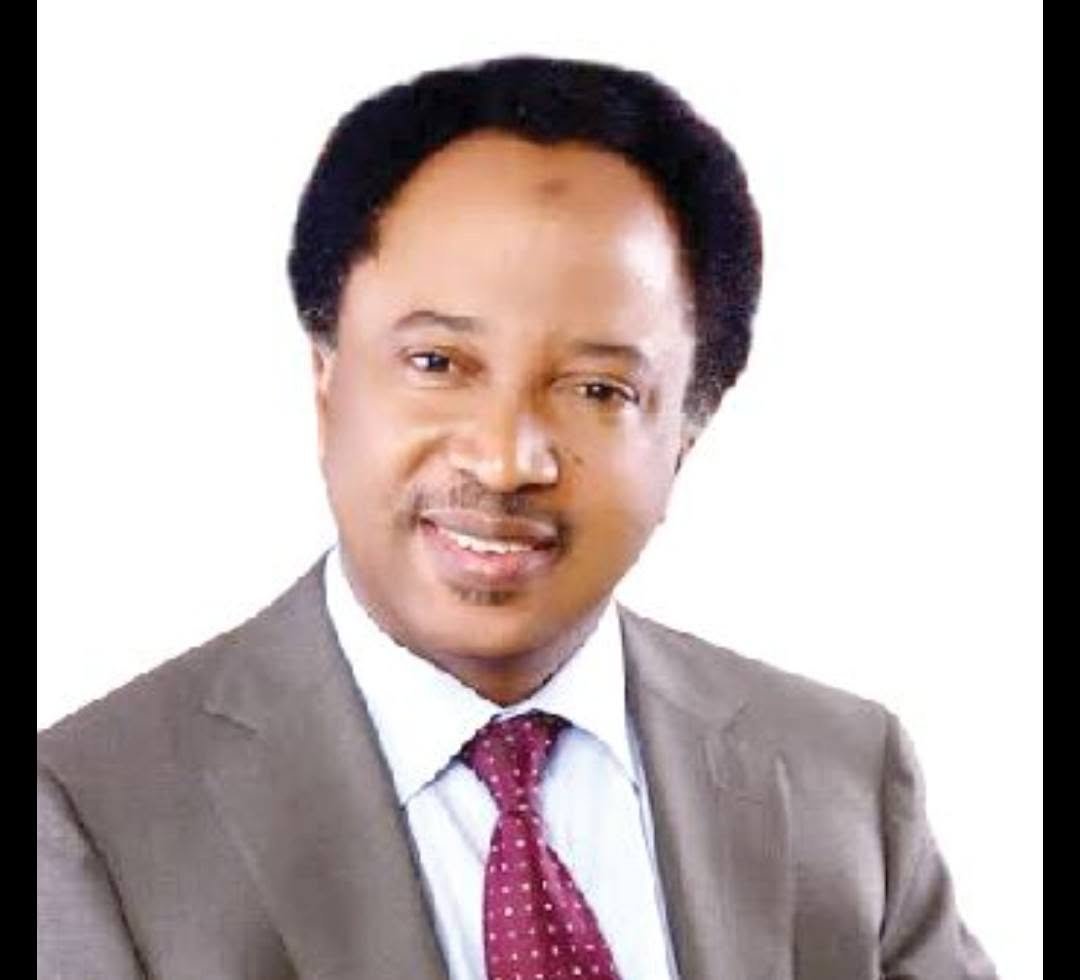
Former Kaduna Central senator, Shehu Sani, has said prisons should not be viewed primarily as places of punishment, but as correctional centres where inmates are given opportunities to reform, build character and prepare for reintegration into society.
Sani, who spoke through his representative, Malam Nasiru Abbas, at the 1st Nigerian Correctional Service (NCoS) Security, Welfare Agenda (SWAC) Conference Graduation Ceremony in Kaduna, said imprisonment should provide people with an opportunity to reflect on their lives and correct their mistakes.
He said his personal experience of incarceration had given him a deeper understanding of prison life, noting that he had been held at Kaduna Prison and other correctional facilities.
- All 49 Trophies Lionel Messi Has Won In His Career
- Gridlock: Motorists spend night on Lagos-Ibadan highway
According to him, his experience was one of the reasons he attached importance to the occasion and would have attended personally but for an engagement that came up unexpectedly.
Sani said many people had never visited a prison or even seen a police cell, making it difficult for them to understand the purpose of correctional institutions.
“A correctional centre is also a place where people are given the opportunity to reflect on their lives and correct their mistakes,” he said.
He said being incarcerated did not automatically make a person dangerous or evil, stressing that inmates should be given opportunities to learn, reform and prepare themselves for a better life.
“Being in prison does not automatically mean that someone is dangerous or evil in society. It can also be a place where people are given an opportunity to learn, reform and prepare themselves for a better life,” he said.
The former senator said correctional centres should help inmates develop the capacity to withstand challenges, endure difficult circumstances and view life from a better perspective.
He also commended the Commandant of the Correctional Training School, Kaduna, Remond Yohana Jatau, for organising the event.
The event brought together 275 correctional officers from across Nigeria to examine issues relating to security, welfare, rehabilitation and service delivery within the correctional system.
Jatau, in his remarks, said the Nigerian Correctional Service had moved away from the traditional concept of punishment, with the 2019 Correctional Service Act placing greater emphasis on correction, rehabilitation and reintegration.
He charged correctional officers to focus on making inmates useful members of society rather than treating incarceration as an end in itself.
“Meaning, it is no longer punishment. Depriving people of liberty is a non-punishment. Keeping them in custody is a non-punishment. But we must make them useful,” Jatau said.
He said the ultimate objective of correctional administration should be to prepare inmates for their return to society and enable them to contribute positively to their communities.
Jatau also identified welfare officers as central to the rehabilitation process, saying they play important roles in addressing the social and other needs of inmates.
“The whole idea about reformation, rehabilitation, and reintegration is about welfare work. The professionals that get that thing done are welfare officers,” he said.
Also speaking, a representative of the Legal Aid Council of Nigeria in Kaduna, Rabiatu Ibrahim Abdullahi, called for reforms to strengthen the capacity of correctional officers and improve the reintegration of released inmates.
She advocated upgrading the Correctional Training School into a degree-awarding institution, arguing that welfare officers now perform complex psychosocial, legal and rehabilitative duties.
Abdullahi also called for the restoration of separate welfare and inspectorate directorates, saying greater attention should be given to the welfare of inmates.
“You all know that custody without care is mere detention, and I’m sure that’s not what we all want to achieve,” she said.
She further advocated the establishment of halfway homes where released inmates could receive shelter, counselling and vocational support before fully returning to their communities.
“We know after keeping inmates, the next thing we want is for them to be reintegrated back into society. So release should not mean abandonment,” Abdullahi said.
She urged the newly trained welfare officers to protect the dignity of inmates and advocate for vulnerable people within correctional facilities.


Shehu Sani: Prison is not for punishment but reformation

‘BBL Has No Benefits Anymore’ – Content Creator, Judas

LaLiga: Barcelona’s Lamine Yamal Names Two Spanish Clubs He Loves Watching Most

Now Hiring: Academic and Technical Staff at a Leading Private University in Gombe State

LAUTECH 18th Convocation: EEE Class ’05 Alumni Celebrate as Electronic and Electrical Engineering Department Produced the School’s Overall Best Graduating Student


