
Headlines
Tinubu: Nigerians already enjoying cheaper transport fare

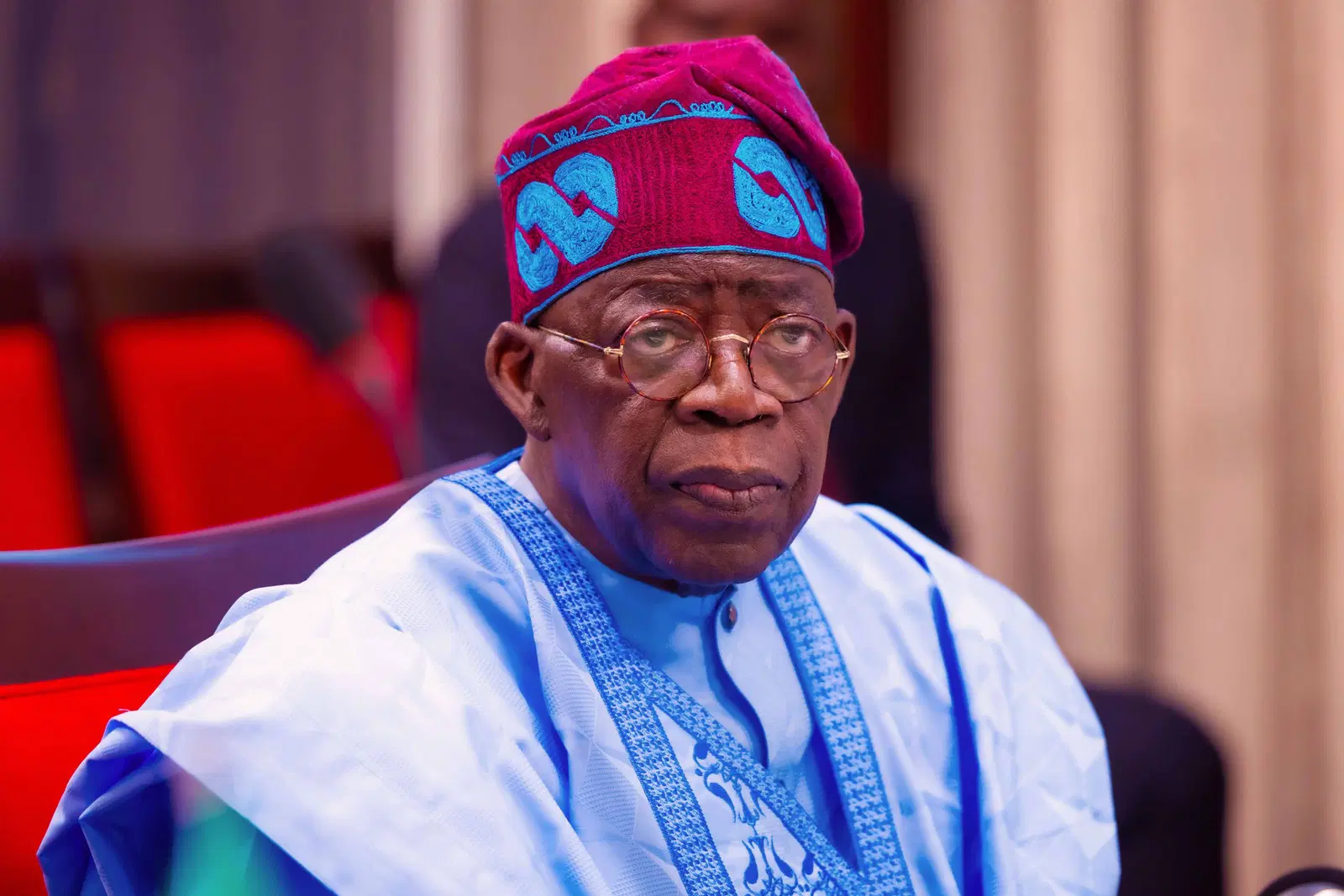
Nigerians have already started seeing measurable reductions in transportation costs, according to President Bola Ahmed Tinubu.
The President said this while giving an update on the promise to provide Nigerians with cheaper transportation from October 1, 2026.
On August 27, Tinubu met with governors and discussed steps that will crash transportation cost across the nation to cushion the effect of harsh economic conditions.
- EPL: Why We Thrashed Arsenal 3-0 – Brighton Manager, Hurzeler
- Yobe: Political critic Lamarbago remanded over alleged defamation
In a statement on Saturday, Tinubu said after the meeting, the implementation committee for the National Affordable CNG Transit Programme under the auspices of the Nigeria Governors’ Forum was established.
He said he is aware that considerable work was already underway by the committee, PI-CNG & EV, the States, and other critical stakeholders to identify priority transport corridors, determine appropriate interventions, and put the necessary arrangements in place.
The President also cited instances of how CNG-powered and electric public transport services have reduce transport cost, emphasising that Nigerians were already experiencing the difference.
“On August 27, I met with the governors of our 36 states, and we agreed on a clear objective. From October 1, more Nigerians should begin to see measurable reductions in transportation costs.”
“This work has become even more urgent amid the current global energy crisis. We already have evidence from across Nigeria of what is possible when cheaper energy translates into cheaper transportation.
“In Borno, CNG-powered and electric public transport services are moving commuters for between ₦50 and ₦100 on routes where commercial operators charge between ₦300 and ₦600.”
“In Kaduna, 100 CNG-powered buses are providing free transportation on major routes across the state. In their first year of operation, the buses carried about 3.2 million passengers, saving commuters more than ₦3.5 billion in transport costs.
“In Oyo, CNG buses deployed to Pacesetter Transport brought the Lagos–Ibadan fare down from about ₦8,000 to ₦3,200 during the initial deployment.
“In Adamawa, alternative-energy transit services have cut fares by as much as 50 per cent, from ₦8,000 to ₦4,000.
“In Enugu, where 100 CNG buses have been deployed, the Enugu–Nsukka fare has been reduced from ₦2,500 to ₦1,500.
“In Plateau, government-supported buses carry about 13,000 commuters every day at ₦200, compared with more than ₦500 commercially.”
The President added that through the partnership with the NURTW, passengers on CNG-converted commercial vehicles on several Abuja commuter routes receive a 40 per cent fare reduction.
He listed the routes where this has been happening as Area 1 to Gwagwalada, for example, has fallen from ₦1,500 to ₦900; Nyanya from ₦700 to ₦420; and Wuse from ₦400 to ₦240.
Citing additional instances, he said, “In Niger, passengers on the Suleja–Abuja service are paying ₦550 compared with about ₦800, while Abia has deployed 40 electric buses with fares subsidised by 50 per cent.
“These are not projections. Nigerians are already experiencing these savings.”
Tinubu commended the governors utilising CNG, but said more still needs to be done.
He vowed that the Federal Government would support them to scale further.
“Disruptions to global energy supplies are once again pressuring petrol and diesel prices and increasing transportation costs worldwide.”
“Nigeria cannot control events in global energy markets. But as a gas-rich nation, we can reduce our exposure. That is what we have been doing.
“Over the last three years, my administration has deliberately invested in building a CNG transportation ecosystem across Nigeria. Today, more than 120,000 vehicles have been converted; we have over 400 certified conversion centres and more than 90 CNG refuelling stations across the country, and these figures are increasing daily.
“”=At a time like this, our answer cannot be to return to the ruinous petrol subsidy regime that consumed trillions of naira and left our economy exposed to every movement in international oil prices, as some have suggested.
“We must accelerate the cheaper alternatives we have been building at home.
“It is reassuring to see the movement spreading. Edo already has 50 CNG buses in active service. Kano has converted more than 1,000 commercial vehicles while rapidly expanding its conversion and refuelling network. Delta, Kwara and Lagos are expanding CNG-supported transport services, while Akwa Ibom has taken delivery of 50 CNG buses ahead of commercial operations.
“I encourage every state to maintain the momentum towards October 1. Work with transport unions and commercial operators. Support conversion and fleet deployment. Facilitate the infrastructure required. Above all, ensure that savings from cheaper energy reach Nigerian citizens through lower fares.
“Nigeria has the gas. We are building the infrastructure. We are already seeing the savings. Now we must move faster and scale this so more Nigerians feel those savings in the fares they pay every day.”








Nigerian lecturer found dead at South Africa residence

Tinubu: Nigerians already enjoying cheaper transport fare

EPL Table: Arsenal Drop To Second Place After 3-0 Defeat To Brighton

Now Hiring: Academic and Technical Staff at a Leading Private University in Gombe State

LAUTECH 18th Convocation: EEE Class ’05 Alumni Celebrate as Electronic and Electrical Engineering Department Produced the School’s Overall Best Graduating Student


