Connect with us

Cover

Peaceful Collaboration Over Chaos: Why Responsible Engagement Must Guide Edo’s Future And The Continued Leadership Of Dr. Osamwonyi Atu

Published

on

By Aaron Mike Odeh

Recent developments in Edo State, where a group of youths disrupted a political engagement with chants of “no more promises,” have sparked intense reactions across the state. While such incidents may initially appear as expressions of civic frustration, a closer and more objective analysis suggests a more calculated undertone—one that reflects the handiwork of political adversaries determined to undermine credible leadership and obstruct continuity.

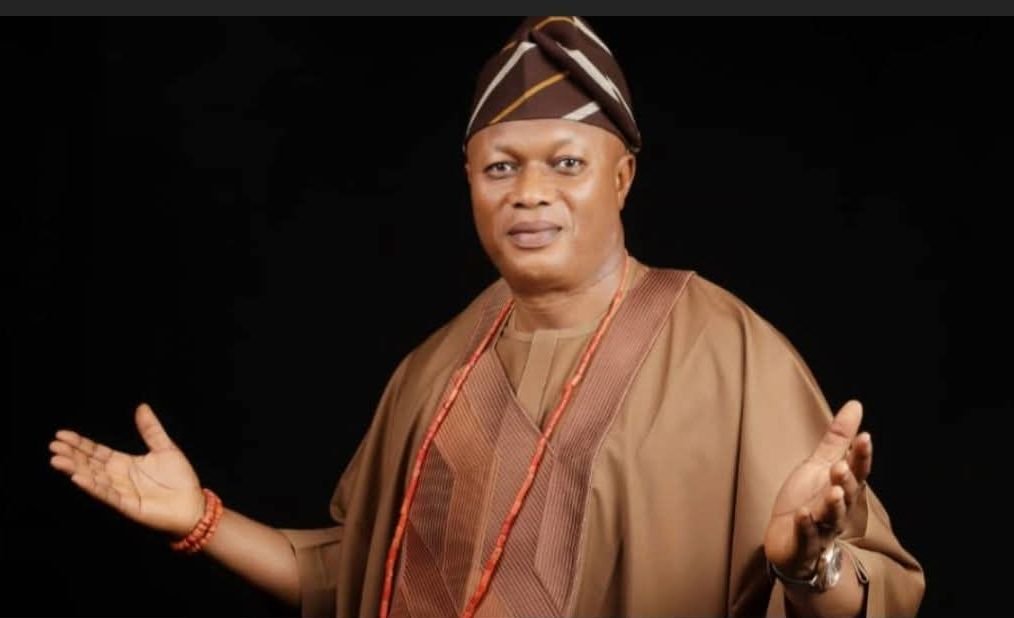
At the center of this unfolding discourse is the Deputy Speaker of the Edo State House of Assembly, Dr. Osamwonyi Atu, a leader whose track record in human capacity building and community development continues to resonate strongly with his constituents. His growing influence, rooted in tangible achievements, has understandably unsettled those who struggle to match his performance and grassroots connection.

It is important to acknowledge that Nigerian youths are not without legitimate concerns. Across the country, economic hardship, unemployment, and limited opportunities have fueled a sense of impatience and disillusionment. However, the recent disruption in Edo State does not convincingly reflect a spontaneous or organic protest. Rather, it bears the imprint of a sponsored jamboree—an orchestrated display designed to create a false narrative of widespread dissatisfaction.

Dr. Atu’s leadership has been defined by action rather than rhetoric. Over the years, he has championed initiatives aimed at empowering young people through skills acquisition programs, vocational training, and community-based development projects. These interventions have provided many with the tools to become self-reliant, thereby reducing dependence and fostering economic resilience at the grassroots level.

Beyond human capacity development, his contributions to community growth are both visible and impactful. From facilitating infrastructural improvements to supporting educational initiatives and social welfare programs, Dr. Atu has demonstrated a consistent commitment to improving the quality of life for his constituents. His approach to governance reflects a deep understanding of the needs of the people and a willingness to address them in practical and sustainable ways.

It is precisely these achievements that have made him a target of political opposition. Unable to counter his record with superior performance, his detractors have resorted to tactics aimed at discrediting his leadership. The so-called protest, therefore, should not be mistaken for genuine civic resistance; it is, in essence, an infatuation driven by envy and sustained by misinformation.

History offers clear lessons on the consequences of such theatrics. When politics is reduced to disruption and propaganda, governance suffers, and development is slowed. Edo State cannot afford to be distracted by such regressive tendencies at a time when continuity and stability are crucial for sustained progress.

Equally important is the need to emphasize the value of peaceful and constructive civic engagement. True democracy thrives on dialogue, accountability, and collaboration—not on orchestrated chaos. Citizens have the right to demand better governance, but that demand must be expressed in ways that strengthen, rather than weaken, democratic institutions.

Dr. Atu has consistently shown openness to engagement, maintaining accessibility to his constituents and demonstrating a willingness to listen and respond. This level of responsiveness is a hallmark of effective leadership and should be encouraged. It creates a foundation for trust and fosters a sense of shared responsibility between leaders and the people.

For the youth of Edo State, the path forward must be guided by discernment. Their voices are powerful, but their impact depends on how they are deployed. Allowing themselves to be used as instruments of political manipulation ultimately undermines their credibility and dilutes the legitimacy of their concerns. Instead, they must channel their energy into constructive participation—engaging in policy discussions, community development efforts, and the democratic process.

Political actors, on their part, must also rise above the temptation of short-term gains achieved through destabilizing tactics. The future of Edo State depends on issue-based politics that prioritizes development, unity, and the collective good over personal ambition and rivalry.

The recent incident should therefore be viewed not as a reflection of failure, but as a reminder of the challenges that accompany impactful leadership. It underscores the need for vigilance against attempts to distort reality and mislead the public.

In truth, the disruption represents little more than a fleeting spectacle—a jamboree lacking substance and authenticity. It cannot overshadow the concrete achievements and positive impact that Dr. Osamwonyi Atu has delivered over time. Edo people are discerning enough to recognize the difference between genuine leadership and politically engineered distractions.

As the state looks to the future, the emphasis must remain on consolidating gains and supporting leaders who have demonstrated capacity, integrity, and commitment. Continuity in leadership, particularly one that has proven effective, is essential for sustaining development and ensuring that progress is not reversed.

In conclusion, peaceful collaboration remains far more powerful than chaos in shaping a just and progressive society. Edo State stands to gain more from unity, dialogue, and strategic engagement than from disruption and division. Dr. Osamwonyi Atu exemplifies the kind of leadership that drives meaningful change—leadership rooted in service, impact, and a genuine commitment to the people.

Aaron Mike Odeh
A Public Affairs Analyst, Media Consultant, and Community Development Advocate wrote from Post Army Housing Estate, Kurudu, Abuja

Continue Reading
Click to comment

Leave a Reply

Your email address will not be published. Required fields are marked *

Cover

Organic endorsement: Gov Bago’s record and the future of Niger state

Published

on

Umaru Bago has, in recent years, emerged as one of Nigeria’s most closely watched state leaders, building a reputation anchored on results rather than rhetoric.

Since assuming office in May 2023, his administration has steadily attracted attention for its practical approach to governance and its focus on long-term impact.

At a time when public praise is often engineered, much of the recognition surrounding his leadership appears to stem from visible efforts to reposition Niger State for economic growth and stability.

Born on February 22, 1974, in Minna, Bago’s journey into public service reflects a blend of academic preparation and professional experience.

He attended Marafa Primary School and later Federal Government College, Jos, before earning a degree in Political Science from Usman Danfodio University.

Determined to deepen his expertise, he went on to secure multiple postgraduate qualifications, including a diploma from the Federal University of Technology, Minna, an MBA from Ambrose Alli University, and a master’s degree in finance from University of Calabar.

His academic exposure also extended internationally, with executive training at University of Cambridge.

Before venturing fully into politics, Bago built a career in banking, working with institutions such as United Bank for Africa and First City Monument Bank, where he rose to managerial level.

This background has often been cited as influencing his governance style, particularly his emphasis on financial discipline and structured economic planning.

His political journey began in 2007, but it was his election to the House of Representatives in 2011 that marked his rise to national prominence.

Representing Chanchaga Federal Constituency, Bago spent over a decade in the National Assembly, where he chaired key committees and participated actively in legislative debates.

He also contested for the Speakership of the House in the 9th Assembly, finishing behind Femi Gbajabiamila, a move that underscored his growing influence within the political space.

In 2023, Bago clinched the governorship of Niger State under the platform of the All Progressives Congress, defeating his closest rival, Isah Liman Kantigi.

Since then, his administration has focused heavily on transforming the state’s economic base, with agriculture taking centre stage.

His vision to turn Niger into a leading agricultural hub has attracted attention from investors and policymakers, positioning the state as a key player in Nigeria’s food security strategy.

Beyond agriculture, Bago has demonstrated a commitment to infrastructure renewal and continuity in governance.

Rather than abandoning projects initiated by previous administrations, including that of Abubakar Sani Bello, his government has prioritised completing and improving them.

This approach has been widely interpreted as a sign of administrative discipline and a departure from the cycle of waste often associated with political transitions.

His leadership philosophy appears rooted in practical service delivery. Efforts in road construction, urban development, and rural support programmes reflect a focus on improving everyday life for citizens.

At the same time, policies aimed at strengthening security and boosting local enterprise suggest a broader strategy to stabilise and grow the state’s economy. Another defining feature of his administration is the emphasis on teamwork.

With Deputy Governor Yakubu Garba and a team of commissioners and advisers, Bago has built a structure designed to drive coordinated policy implementation.

This collaborative approach reinforces the idea that governance is most effective when supported by capable hands across different sectors.

Outside formal governance, Bago has also maintained a record of philanthropy, including educational support initiatives such as sponsoring examination forms for students and providing relief materials during difficult periods like the COVID-19 pandemic.

These actions have contributed to his image as a leader attentive to grassroots needs. Politically, he has cultivated a style that balances ambition with restraint, favouring initiatives with long-term value over short-term applause.

For many observers, this consistency is what defines his leadership. Rather than relying on grand declarations, his administration has focused on aligning promises with tangible outcomes.

As his tenure continues, supporters argue that Bago represents a model of leadership centred on continuity, economic vision, and people-focused governance.

In a political climate often dominated by optics, his approach offers a contrasting narrative, one that prioritises substance, efficiency, and measurable progress.

Continue Reading

Cover

Taiwo Oyedele’s Appointment Shows Tinubu Is a Coach Who Knows When to Replace Fatigued Players — Renewed Hope Labourers Network

Published

on

The Renewed Hope Labourers Network (RHLN), a cross-party political support group, has described the appointment of Taiwo Oyedele as Minister of Finance as a strong signal that President Bola Ahmed Tinubu is demonstrating adaptive and performance-driven leadership in managing Nigeria’s economic team.

In a statement issued on Monday and signed by its National Coordinator, Barrister Godwin Onwe, the group said the decision reflects what it called “a pragmatic, reform-oriented and results-focused leadership style capable of responding to shifting economic realities.”

The group likened the President’s approach to that of a seasoned coach who understands when to introduce new energy into a struggling team in order to improve performance, particularly in a sensitive sector such as national finance and economic management.

“The Renewed Hope Labourers Network views the appointment of Taiwo Oyedele as Minister of Finance as a bold and strategic decision. It reflects President Bola Ahmed Tinubu’s capacity to reassess performance and reposition his economic management team in line with national priorities,” the statement read.

Barrister Onwe noted that Nigeria’s current economic challenges require a blend of technical expertise, policy depth, and reform credibility, particularly in the areas of taxation, revenue mobilisation, and fiscal governance.

He highlighted Oyedele’s extensive background as a leading tax and fiscal policy expert, noting that he previously built a distinguished career at PricewaterhouseCoopers (PwC), where he rose to become Partner and West Africa Tax Leader, advising governments and multinational institutions on tax policy and fiscal reforms.

According to the group, Oyedele also played a central role in Nigeria’s most recent tax reform efforts, serving as Chairman of the Presidential Committee on Fiscal Policy and Tax Reforms, where he led the drafting and design of comprehensive tax reform proposals aimed at simplifying the tax system, improving compliance, and expanding the country’s revenue base.

“Taiwo Oyedele is not just an administrator; he is a globally respected fiscal policy expert with deep experience in tax reform, economic advisory, and public finance. His leadership of the Presidential Fiscal Policy and Tax Reforms Committee underscores his capacity to design systems that are efficient, fair, and growth-oriented,” Onwe said.

The group further noted that Oyedele’s reform philosophy is anchored on building an economy that works for ordinary Nigerians, particularly small businesses, low-income earners, and informal sector participants who are often disproportionately affected by inefficient tax structures.

It said his approach reflects a commitment to simplifying taxation, broadening the tax net without overburdening the poor, and ensuring that fiscal policy supports inclusive growth.

“This appointment should be seen as part of a broader effort to build a more equitable fiscal system—one that promotes compliance, reduces inefficiencies, and ensures that economic growth translates into tangible benefits for the masses,” the statement added.

The group emphasised that leadership in economic management requires not only political will but also technical depth, and described Oyedele’s appointment as a convergence of both.

It reiterated that the “coach replacing fatigued players” analogy reflects a governance philosophy that prioritises results, accountability, and continuous improvement.

Barrister Onwe also urged stakeholders across political and economic sectors to support the administration’s reform agenda, noting that successful fiscal transformation requires collective understanding and cooperation.

“At a time when Nigeria is navigating complex fiscal and economic pressures, it is important that we support leadership decisions aimed at strengthening institutions, improving revenue generation, and ensuring economic stability,” he said.

The Renewed Hope Labourers Network concluded by expressing confidence that Oyedele’s expertise will contribute significantly to reshaping Nigeria’s fiscal architecture, describing the appointment as “a strategic investment in competence, reform, and long-term economic stability.”

It reaffirmed its support for President Tinubu’s leadership, stating that the administration’s willingness to deploy technocratic expertise in key sectors reflects a commitment to sustainable national development.

Continue Reading

Cover

Improved Funding, Timely Releases to Armed Forces Will Turn Things Around in War Against Insurgency – Reps Philip Agbese

Published

on

The Deputy Spokesperson of the House of Representatives, Philip Agbese, has said that improved funding and the timely release of appropriated resources to the military remain critical to turning the tide in Nigeria’s war against insurgency and other forms of insecurity.

Agbese made the remarks while speaking with journalists in Abuja on Sunday, where he also commended the leadership of the Chief of Defence Staff, General Olufemi Oluyede, and the Chief of Army Staff, Waidi Shaibu, for their “focused and results-driven approach” to tackling security challenges across the country.

The lawmaker said that while the Armed Forces have continued to demonstrate courage and resilience in the face of evolving threats, the effectiveness of their operations is closely tied to the availability of adequate and timely funding.

“Our military is doing an extraordinary job under very demanding conditions. However, no matter how committed and professional our troops are, the reality is that military operations require consistent funding, timely releases, and access to modern equipment,” Agbese said.

He noted that recent operational improvements in various theatres, including intensified offensives against insurgents and criminal groups, reflect a renewed strategic direction under the current military leadership.

According to him, General Oluyede has brought greater coordination and urgency to Nigeria’s defence architecture, while the Army under Lieutenant General Waidi Shaibu has sustained pressure on insurgent elements through targeted ground operations.

Agbese said both leaders have demonstrated a clear understanding of the complexity of modern warfare, particularly the need for intelligence-driven operations and stronger synergy across the different arms of the military.

“What we are seeing today is a leadership that is not only committed but also strategic. There is better coordination, improved morale among troops, and a clear determination to confront these threats head-on,” he said.

The Benue lawmaker added that the Armed Forces have recorded notable successes in degrading insurgent capabilities, disrupting supply chains, and reclaiming territories previously under the control of non-state actors.

He stressed, however, that sustaining and expanding these gains would depend largely on how quickly and efficiently financial resources are made available to the military.

“Appropriations alone are not enough. What matters is the speed and consistency of releases. Delays in funding can slow down operations, affect logistics, and ultimately give criminal elements the breathing space they need,” Agbese said.

He called on relevant government institutions to prioritise defence funding, describing it as an investment in national stability rather than a routine budgetary obligation.

Agbese also urged Nigerians to recognise and support the efforts of the Armed Forces of Nigeria, noting that public confidence and cooperation remain vital to the success of security operations.

“Our troops are making sacrifices daily to keep the country safe. As citizens, we must support them; not just by acknowledging their efforts, but by cooperating with security agencies and providing useful information where necessary,” he said.

The lawmaker further emphasised the importance of sustained collaboration between the military and other security agencies, as well as state governments and local communities, in addressing the root causes of insecurity.

He expressed optimism that with improved funding, stronger institutional support, and continued leadership from the CDS and COAS, Nigeria can make significant progress in overcoming insurgency and restoring lasting peace.

“This is a fight we can win. With the right support, the right leadership, and a united national effort, we will see a turning point in our security landscape,” Agbese declared.

Continue Reading

Trending

Copyright © 2023 - 2025 DailyMirror Nigeria. Design by AspireWeb.ng, powered by WordPress.